Rookie Player Profiles

stewart

Meet the 2026 Rookie RB With Elite Contact Balance

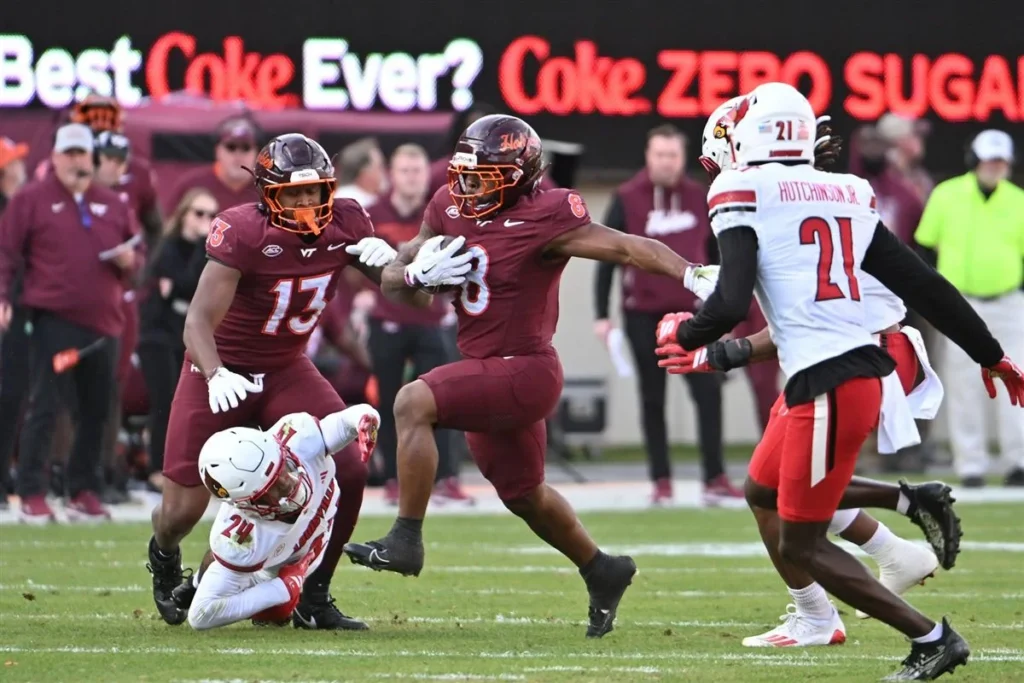
Missed Tackles Forced Per Attempt is one of the more predictive analytical statistics for running backs for future fantasy success. Over the past three years, the top 6 running backs with the highest college career missed tackles forced per attempt rate are: Bijan Robinson – 39.3% Trey Benson – 39.2% Tyrone Tracy – 38.5% Ashton Jeanty – 37.8% Bucky Irving – 36.2% For a singular metric, that is a nice hit rate. Then how is it, in an absolutely horrible running back class overall, there is a prospect with an otherworldly 46.9% missed tackles forced per attempt career rate that no one is talking about?  Fam, meet Terion Stewart.  So why haven’t you heard of Stewart? Well, for one, he was used sparingly at Virginia Tech this past season. Before that, he played four years for Bowling Green. Before you say, “Ahhh, Bowling Green,” well, remember this is the same college that just produced Harold Fannin Jr. The MAC is definitely not the SEC, but it is a competitive conference. While at Bowling Green, Stewart never eclipsed 1,000 yards rushing, staying under the radar of the best teams. He did rush for 917 and 753 his last two years there, however. The Hokies brought Stewart over for his final college season. Stewart suffered a series of injuries that forced him into a walking boot in August, which was then followed by a shoulder injury in October. He finished the year with a mediocre 82 attempts for 469 yards. Oh, and remember how you were concerned about Stewart compiling those stats […]

To access the rest of this post, you must login or purchase a DFF Membership.

Meet the 2026 Rookie RB With Elite Contact Balance Read More »

mike

Second Round Dynasty Sleeper: Mike Washington Jr.

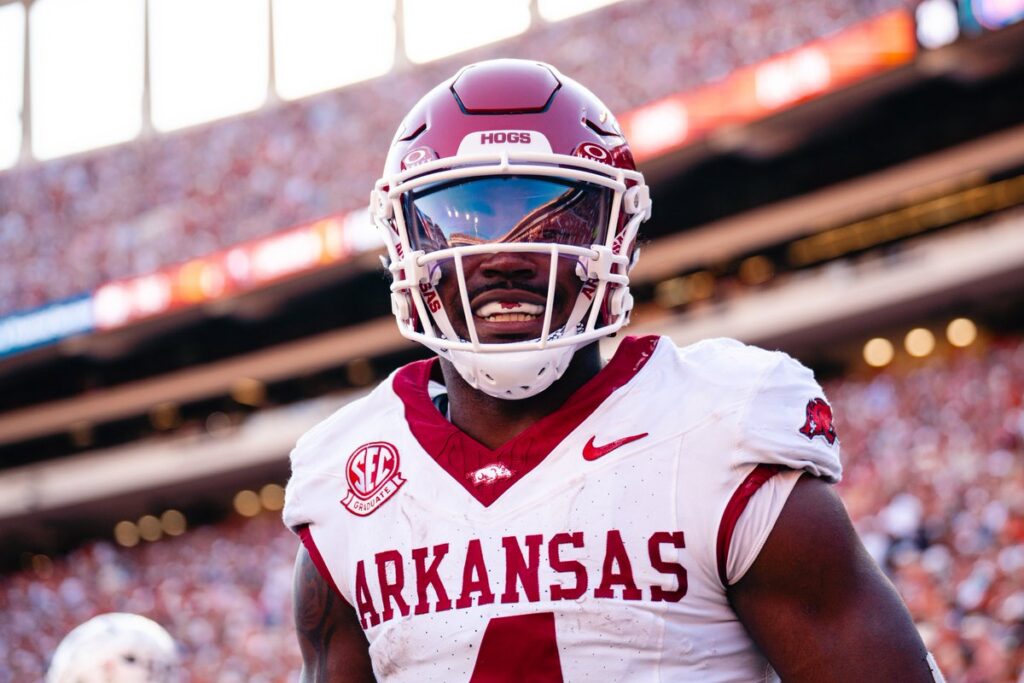
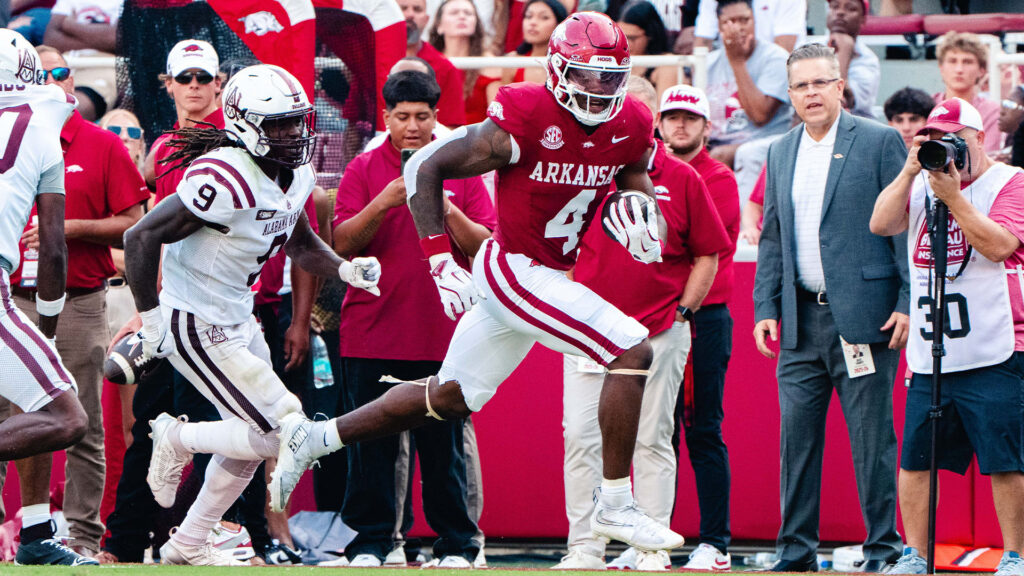
From the University of Arkansas, Mike Washington Jr. has the potential to be one of the second-round steals in 2026 Dynasty Rookie Drafts. The 22-year-old put up some impressive numbers during his final collegiate season. At 6’1” and 223 pounds, his power and speed combination is built to handle a heavy workload. Washington Jr. can run through and past defenders in a hurry, and he’s someone who could very well outperform where he’ll get drafted. To put things simply, he’s someone who will be a problem in the NFL. Washington Jr. is a player who, depending on where he ends up, could quickly become an NFL starter immediately or at some point during the season and become a very valuable Dynasty running back. Let’s take a closer look at him. * Within this article, the statistics were pulled from Sports Reference, KeepTradeCut (KTC), and Sleeper. College Production (2021 – 2025) Washington Jr., a two-star recruit, committed to his first three collegiate seasons at Buffalo, transferred to New Mexico State before entering the transfer portal one more time for his final year of eligibility, where he ended his collegiate time at Arkansas and saw career highs in all statistical categories. This past season, Washington Jr. earned second-team All-SEC, where he rushed for 1,070 yards with eight rushing touchdowns. Additionally, he’s shown he can also be a dual-threat, adding 28 receptions on 226 receiving yards and one receiving touchdown.  In 2025, he became the 16th player in Arkansas history to eclipse 1,000 rushing yards, and he was named second-team All-SEC. The highlight

To access the rest of this post, you must login or purchase a DFF Membership.

Second Round Dynasty Sleeper: Mike Washington Jr. Read More »

mcgowan

Seth McGowan: The Long Road Back

Seth McGowan’s path to the 2026 NFL Draft is one of the more unusual stories in this class. Early in his career at Oklahoma, he looked like the next talented running back to come through that program. Instead, a legal incident nearly ended his career before it really started. What followed was a long road back through smaller programs and multiple stops before he finally returned to the SEC and put himself back on the NFL radar. A Promising Start That Fell Apart In 2020, McGowan showed real promise at Oklahoma. The former four-star recruit played in eight games as a freshman, rushing for 370 yards and catching 13 passes for 201 yards. His 143 total yards in the Cotton Bowl showed the kind of playmaking ability that had people believing he could become the next productive Oklahoma running back. That momentum ended in April of 2021. McGowan was arrested following an armed robbery investigation and was dismissed from the Oklahoma program. He later pleaded guilty to felony larceny, served three months in jail, and received a year of probation. Just like that, his football future was suddenly in doubt. The Long Road Back McGowan did not play football for two seasons while rebuilding his life and career. His first stop was Texas College, an NAIA program where he never appeared in a game. From there, he transferred to Butler Community College in 2023, where he played 6 games and began rebuilding his football reputation. In 2024, McGowan returned to the FBS level at New Mexico State. The talent was

To access the rest of this post, you must login or purchase a DFF Membership.

Seth McGowan: The Long Road Back Read More »

stowers

Eli Stowers: The Tight End Built for the Modern Game

Modern tight ends have one job above everything else: catch the football. Blocking matters. Athleticism matters. But if you can’t be trusted in traffic, none of it plays. Eli Stowers gets that. And it’s why his transition from quarterback to tight end has turned into one of the most impressive developments in college football. Stowers didn’t just convert positions. He became the focal point of Vanderbilt’s offense. In 2025, he led all FBS tight ends in receiving yards, and he did it by winning the same way every NFL tight end has to win: hands, feel, toughness, and consistency. At 6’4” and around 235-239 pounds, Stowers isn’t built like an old-school in-line blocker. He’s built like a modern weapon. And he plays like one. Production That Matters The breakout didn’t come out of nowhere. It was built year by year. In 2025, Stowers caught 62 passes for 769 yards, the most receiving yards by any tight end in the country. He averaged 12.4 yards per catch and played all 12 games as a centerpiece of the offense. The year before, he put up 49 catches for 638 yards and 5 touchdowns, earning First Team All-SEC honors and Mackey Award semifinalist recognition. Across three seasons at Vanderbilt and New Mexico State, he finished with 146 catches, 1,773 yards, and 11 touchdowns. That’s not gadget production. That’s real usage. How Stowers Wins Stowers catches the football first. That’s the foundation. He has strong, reliable hands and shows comfort working through traffic. He doesn’t panic when bodies are around him. He secures the

To access the rest of this post, you must login or purchase a DFF Membership.

Eli Stowers: The Tight End Built for the Modern Game Read More »

Kaytron Allen

Kaytron Allen: The Rookie Running Back Who Wins the Boring Way

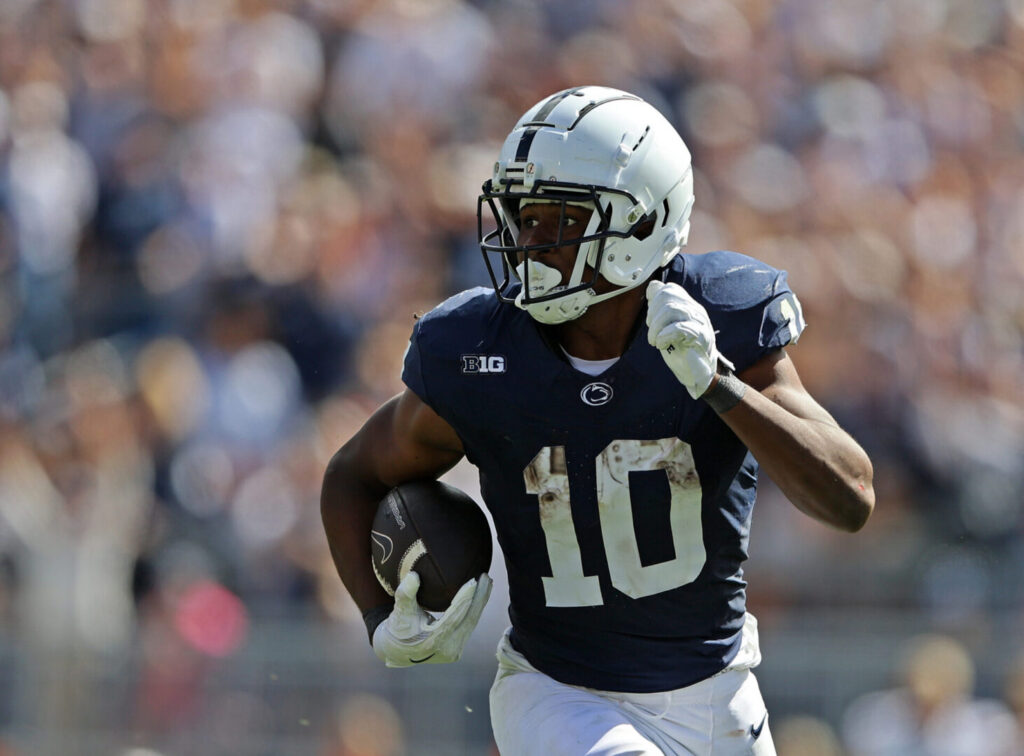
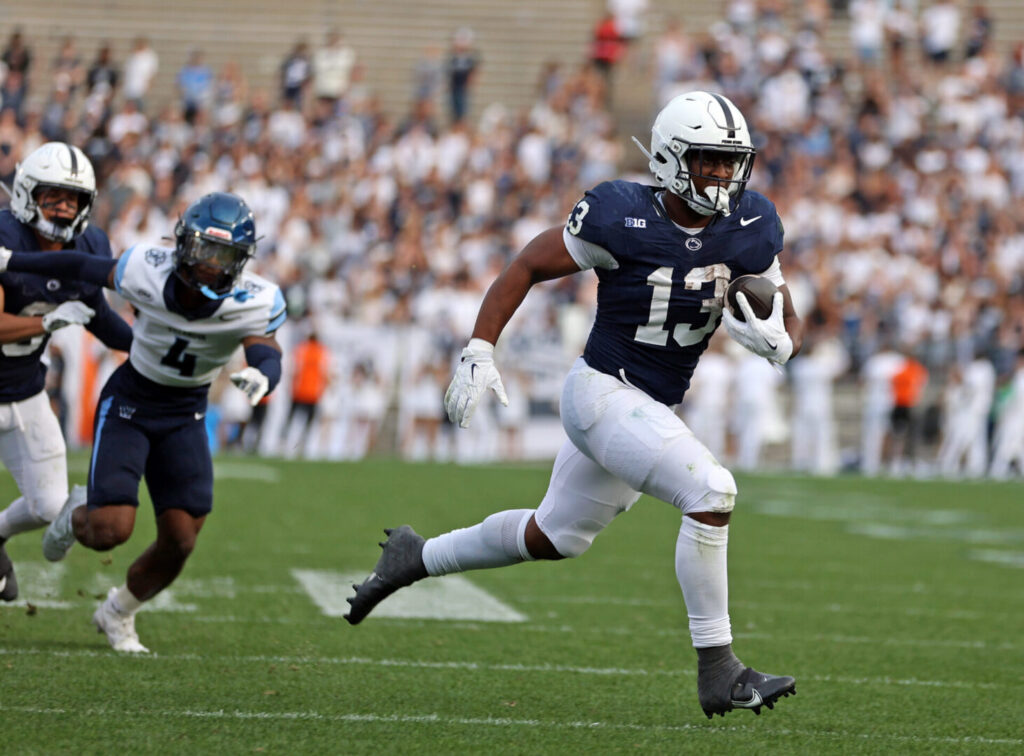
Kaytron Allen is the type of running back I fall in love with. Not because he’s going to run away from everyone. Not because he’s going to give you 60-yard highlights every week. But because he’s the kind of back that keeps drives alive. He finds the hole, stays square, and gets you what’s there. Over and over. At ~5’11” and 220-225 pounds, Allen is built like a real NFL runner. Compact. Strong. Low center of gravity. He’s hard to stop once he gets moving, and when contact shows up, he’s still finishing forward. Production That Actually Means Something Allen’s 2025 season was the best version of himself. He ran for 1,303 yards and 15 total touchdowns while averaging 6.2 yards per carry. He had five 100-yard games, and his biggest outings were loud: 226 yards at Rutgers, 160 yards and two scores against Nebraska, and 181 yards with two touchdowns at Michigan State. But the real headline is simple. He became Penn State’s all-time leading rusher with 4,180 career rushing yards, passing Evan Royster’s record. He also finished with 769 career carries, and that kind of workload tells you what Penn State thought of him. Trust. Durability. Give him the ball again. How Allen Wins Allen’s game starts with vision and patience. He’s not dancing behind the line, trying to bounce every run outside. He presses the line, lets defenders show their hand, and then makes one clean decision and goes. That one cut style is what makes him steady. It keeps him on schedule and keeps the offense

To access the rest of this post, you must login or purchase a DFF Membership.

Kaytron Allen: The Rookie Running Back Who Wins the Boring Way Read More »

Mike Washington Jr.

Mike Washington Jr.: The “Power-Speed” Workhorse

Running backs come in a lot of shapes, but the ones who last in the NFL usually bring a mix of size, speed, and toughness. Mike Washington Jr. checks those boxes. At 6’1” and around 223 pounds, he looks like the kind of back built to handle a heavy workload. What separates him from most runners his size is the speed. When he hits open space, he can erase angles in a hurry. Washington spent his college career climbing the ladder. He started in the MAC before finishing at Arkansas in the SEC, proving along the way that his game translated against better competition. By the time the 2025 season ended, he had established himself as one of the most productive backs in the conference.

To access the rest of this post, you must login or purchase a DFF Membership.

Mike Washington Jr.: The “Power-Speed” Workhorse Read More »

payton

Cole Payton: The Small-School Quarterback You Need to Know

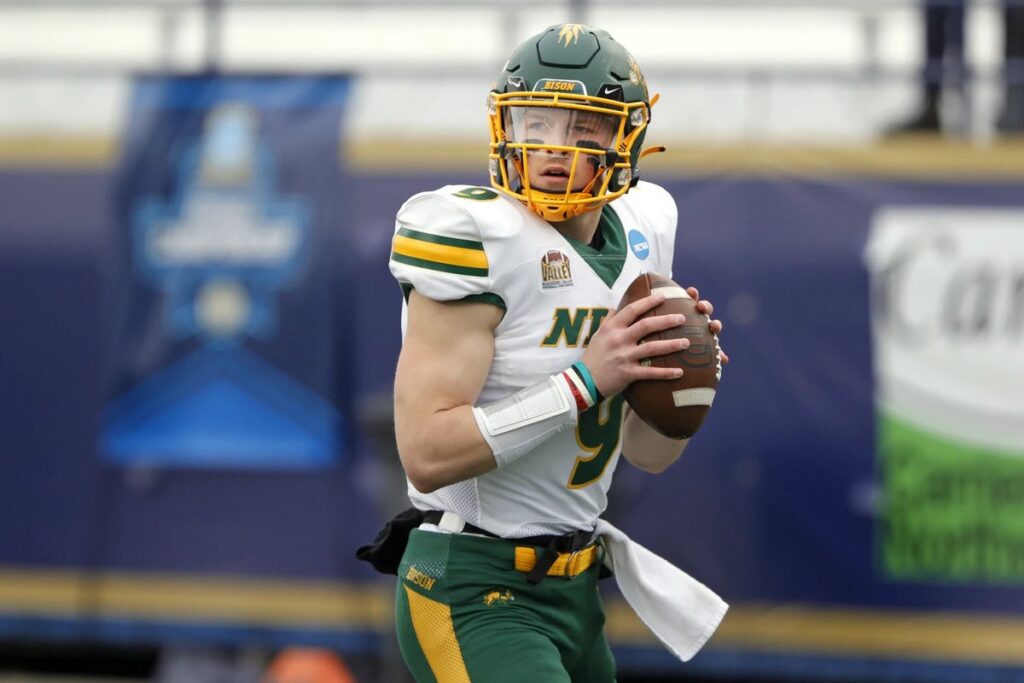
Cole Payton is one of those names that sneaks up on you if you’re not paying attention. Small school. Limited starts. Left-handed quarterback. Easy to overlook if you’re skimming box scores. But once you actually watch him and dig into the season he just put together, it’s hard not to come away impressed. Payton just finished a record-setting year at North Dakota State and put himself firmly on the NFL radar for the 2026 Draft. He’s not a finished product, but the upside is very real, especially in a quarterback class that doesn’t have many players separating themselves. A Late Bloomer Who Made It Count This past season was Payton’s first full year as the starter, and he made the most of it. He led North Dakota State to a 12–1 record and played with a level of efficiency you don’t usually see, regardless of level. He completed nearly 72% of his passes, threw for 2,719 yards with 16 touchdowns and only 4 interceptions, and consistently took care of the football. What really jumps out is how clean the overall production looks when you factor in what he did with his legs. Payton rushed for 777 yards and 13 touchdowns, averaging 5.7 yards per carry. He wasn’t scrambling just to survive. Designed runs, short-yardage toughness, red-zone scores. He became a legitimate problem for defenses once plays broke down. By the end of the year, he finished as the highest-graded quarterback in the FCS and set school records for efficiency and total offense per play. That doesn’t happen by accident. How

To access the rest of this post, you must login or purchase a DFF Membership.

Cole Payton: The Small-School Quarterback You Need to Know Read More »

fields

Malachi Fields: Why He Wins Without Elite Speed

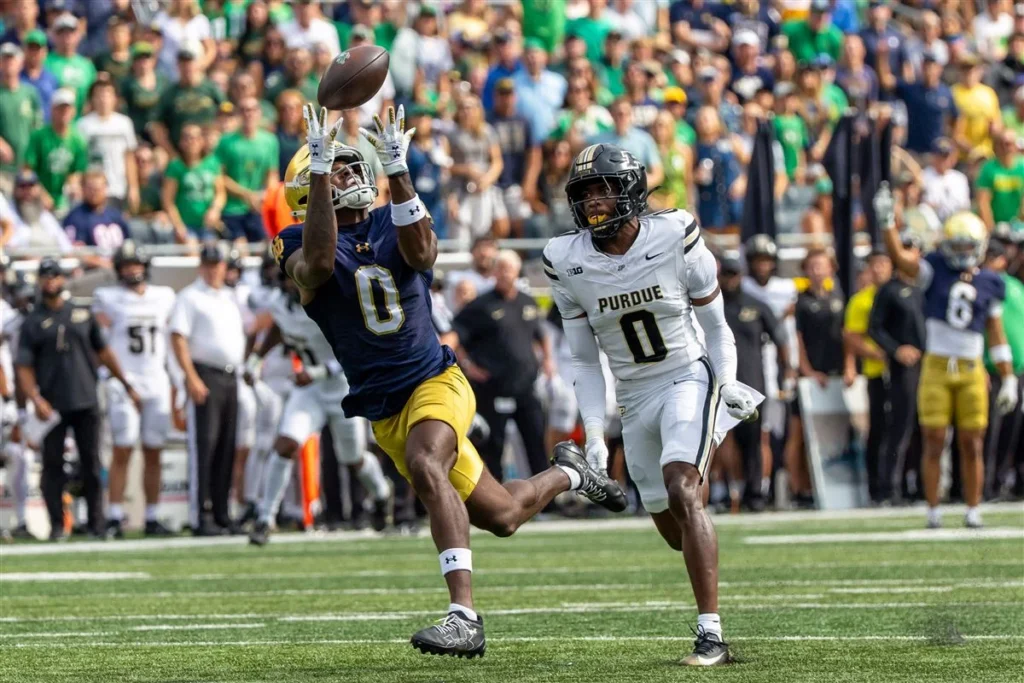
Malachi Fields looks like an NFL “X” receiver the moment he walks on the field. At 6’4” and over 220 pounds, he brings prototype size and play strength to the position. What he does is win at the catch point and make defensive backs feel small in the air. Fields isn’t a burner. He’s not going to win with suddenness or quick separation. He wins with size and strength when the ball is in the air. Production That Matches the Role Fields spent the majority of his career at Virginia before transferring to Notre Dame for the 2025 season. Across three seasons, he totaled 165 catches for 2,479 yards and 16 touchdowns, averaging just over 15 yards per reception. In 2025 at Notre Dame, he caught 36 passes for 630 yards and 5 touchdowns, averaging 17.5 yards per reception. When the ball went up, he gave his quarterback a chance. He wasn’t a target magnet. He was a chain mover and a scoring option who finished plays down the field and in the red zone. How Fields Wins Everything with Fields starts with his frame. Defensive backs struggle to slow him down once he gets moving. He builds speed as he goes, and that shows up in his routes. Against press, he can be a bit of a slow starter and will need to refine his release package at the next level. Once he gets moving, though, his size becomes a problem. Defensive backs struggle to reroute him, and he uses his body well to shield defenders on verticals and

To access the rest of this post, you must login or purchase a DFF Membership.

Malachi Fields: Why He Wins Without Elite Speed Read More »

coleman

Jonah Coleman: The Human Bowling Ball

Jonah Coleman is not hard to figure out. He’s not here to race anyone. He’s not here to bounce everything outside. He’s here to hit you, keep his feet, and move the chains. Every carry looks the same in the best way possible. Square shoulders, low pads, and forward momentum. At 5’9” and around 228 pounds, Coleman is built like a brick. Thick lower half. Low center of gravity. When defenders meet him in the hole, he usually wins. That’s why the “human bowling ball” label fits. He doesn’t avoid contact. He uses it. How He Runs Coleman’s game starts with vision and patience. He presses the line, lets blocks develop, and waits for defenders to declare themselves. He doesn’t dance in the backfield or rush decisions. Once he sees the crease, he commits and explodes through it. He’s decisive. That matters. Four yards on first down is a win, and Coleman understands that. His north-south approach keeps offenses on schedule and keeps him on the field. Footwork and Balance For a back of his size, his feet are better than you’d expect. Coleman has enough lateral quickness to slide between blocks and make decisive cuts in tight spaces. He doesn’t need wide lanes. He can get skinny and squeeze through traffic. The contact balance is the calling card. Arm tackles don’t slow him down. He pinballs off defenders and keeps his legs moving. During stretches of his college career, he averaged over 6 yards after contact. That’s not luck. That’s strength and balance working together. Ball security is another

To access the rest of this post, you must login or purchase a DFF Membership.

Jonah Coleman: The Human Bowling Ball Read More »

hurst

Ted Hurst: The Big Receiver Who Makes Life Easier

Ted Hurst is the kind of wide receiver you notice pretty quickly once you stop chasing names and start watching traits. He’s big. He’s strong. And he plays the position like someone who understands how to use every inch of his frame. At over 6’3” and right around 207 pounds, Hurst looks like an NFL boundary receiver the moment he steps on the field. That Senior Bowl weigh-in mattered because it confirmed what the tape already hinted at. This isn’t a thin, finesse receiver trying to survive outside. This is a real X-type body that can hold up against press and physical coverage. How He Wins Hurst doesn’t win with pure speed, and that’s fine. His game is built on timing, leverage, and understanding how to put defenders in bad spots. At the line, he’s calm. He doesn’t rush releases or panic against press. He uses his feet, changes pace, and forces corners to open up. Once he gets into his route, he does a good job staying balanced and sinking his hips, which isn’t always easy for receivers his size. That ability to get in and out of breaks is what creates separation for him, not foot races. On slants, digs, and in-breaking routes, Hurst is especially effective. He uses his body to shield defenders and gives his quarterback a clean target. That’s the kind of receiver coaches trust on third down. Catch Point and Reliability This is where Hurst really separates himself. He’s strong through contact and comfortable catching the ball in traffic. His hands are big, his

To access the rest of this post, you must login or purchase a DFF Membership.

Ted Hurst: The Big Receiver Who Makes Life Easier Read More »