
2026 Devy Freshman Draft Guide
2026 Devy Freshman Draft Guide
2026 Devy Freshman Draft Guide Read More »

2026 Devy Freshman Draft Guide
2026 Devy Freshman Draft Guide Read More »

In this week’s episode of Always Be Scouting, @DffFrankPanthro and @John_mancuso5 cover a three-round
Always Be Scouting — Episode 8: “Bad to the Bone(d)” Read More »
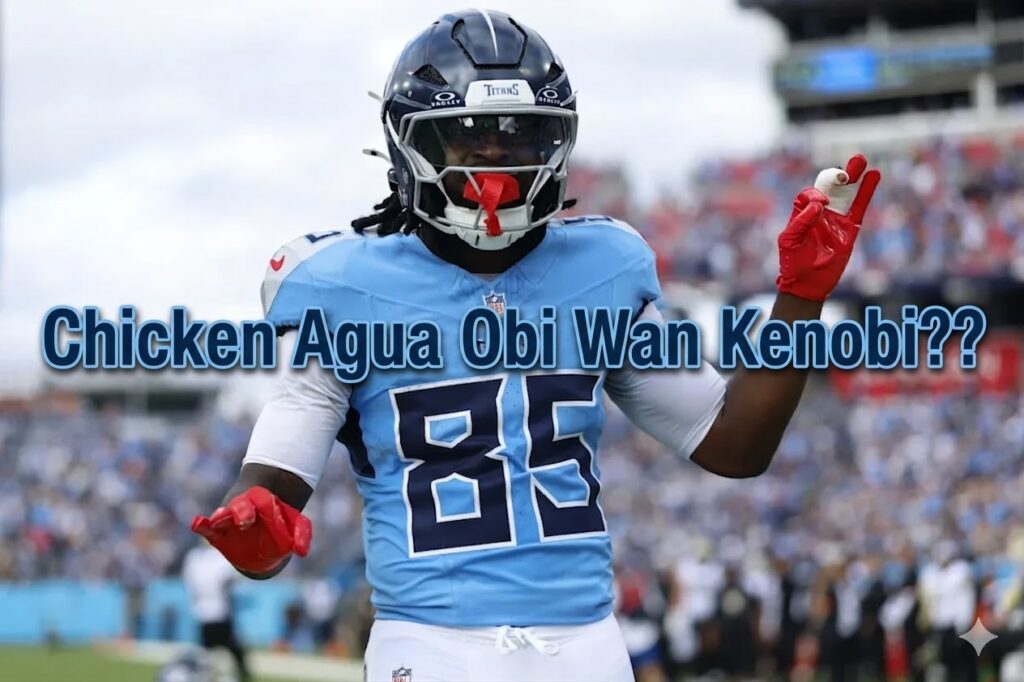
In this week’s episode of Always Be Scouting, @DffFrankPanthro and @John_mancuso5 discuss recent free agency moves and fantasy impact.
Always Be Scouting — Episode 7: “St. Patrick’s Mahomes” Read More »

Introducing Derek Zammit, 2026 freshman QB for Washington. View his official scouting card for HS production, strengths, and weaknesses.
2026 Freshman Player Card: Derek Zammit (QB – Washington) Read More »
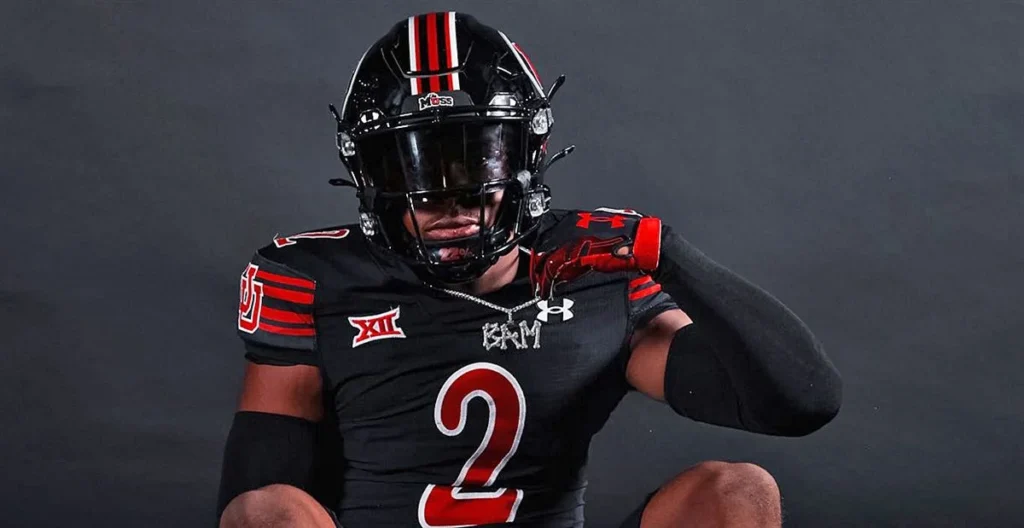
Introducing LaMarcus Bell, 2026 freshman RB for Utah. View his official scouting card for HS production, strengths, and weaknesses.
2026 Freshman Player Card: LaMarcus Bell (RB – Utah) Read More »
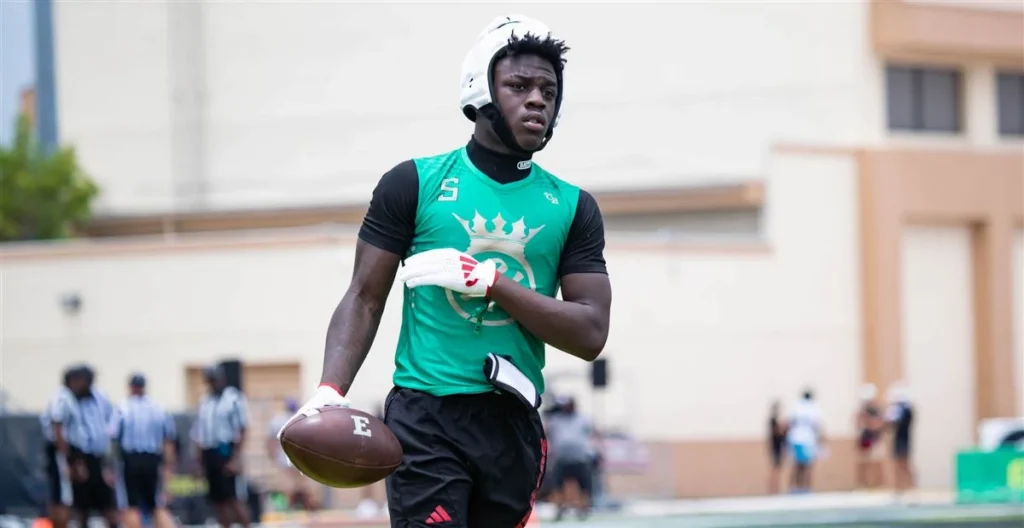
Introducing Jamal Rule, 2026 freshman RB for Nebraska. View his official scouting card for HS production, strengths, and weaknesses.
2026 Freshman Player Card: Jamal Rule (RB – Nebraksa) Read More »
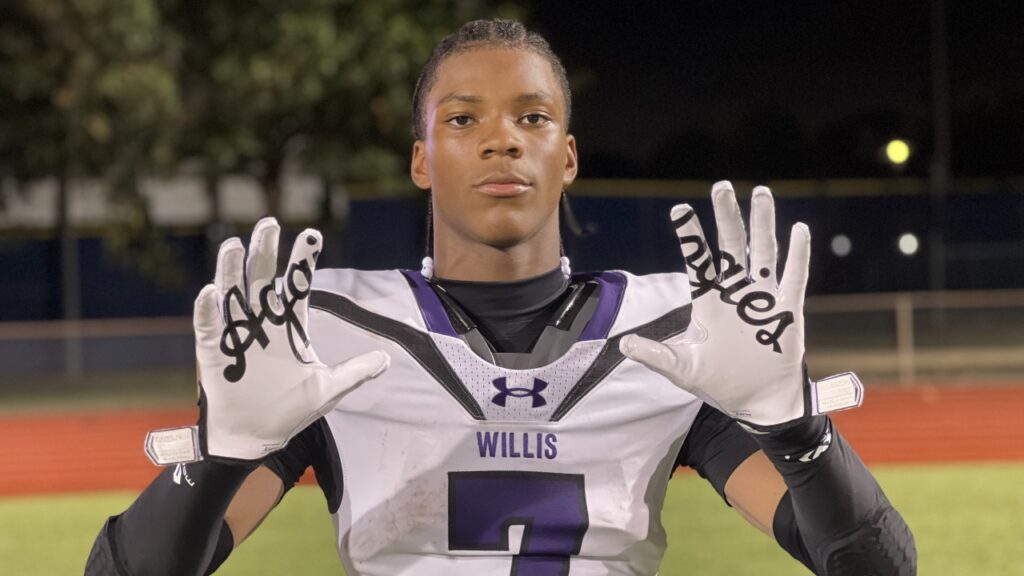
Introducing Jermaine Bishop, 2026 freshman WR for Texas. View his official scouting card for HS production, strengths, and weaknesses.
2026 Freshman Player Card: Jermaine Bishop (WR – Texas) Read More »
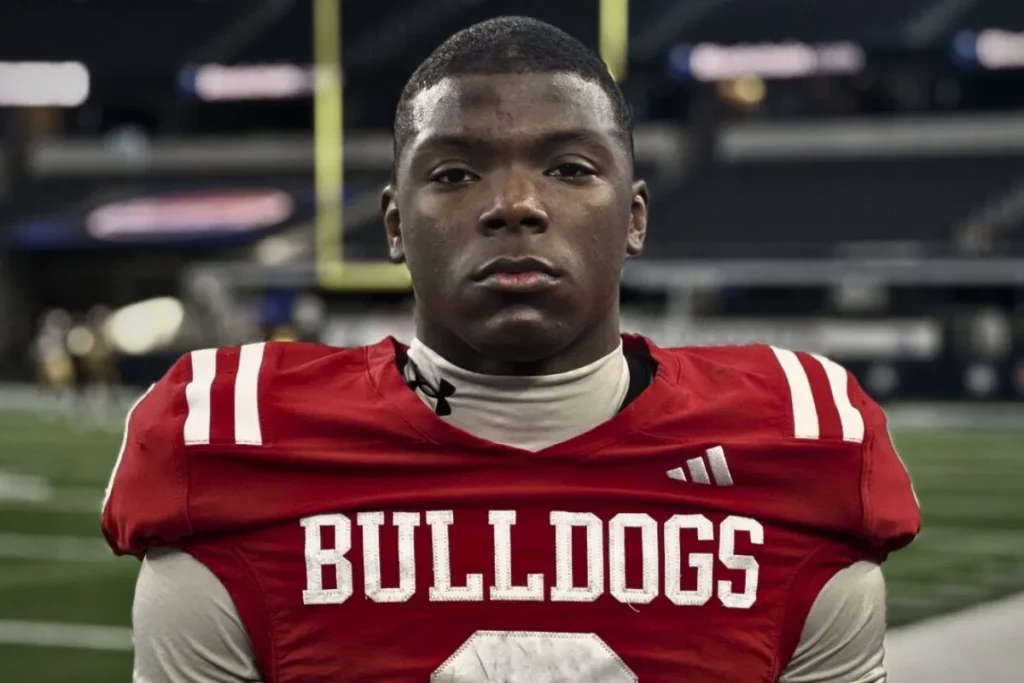
Introducing KJ Edwards, 2026 freshman RB for Texas A&M. View his official scouting card for HS production, strengths, and weaknesses.
2026 Freshman Player Card: KJ Edwards (RB – Texas A&M) Read More »
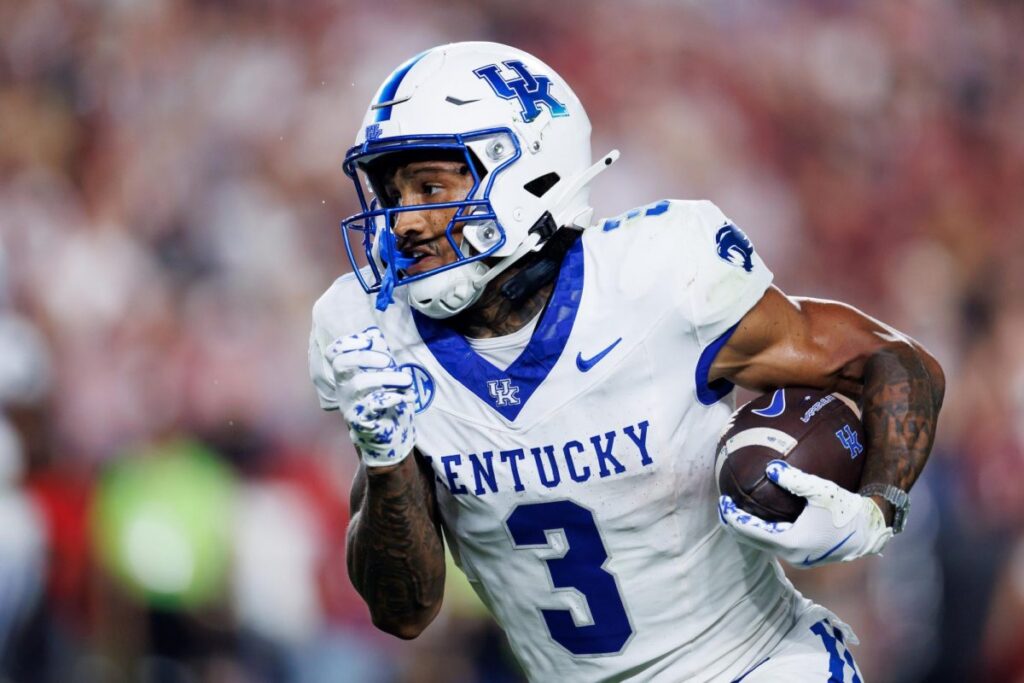
Seth McGowan’s path to the 2026 NFL Draft is one of the more unusual stories in this class. Early in his career at Oklahoma, he looked like the next talented running back to come through that program. Instead, a legal incident nearly ended his career before it really started. What followed was a long road back through smaller programs and multiple stops before he finally returned to the SEC and put himself back on the NFL radar. A Promising Start That Fell Apart In 2020, McGowan showed real promise at Oklahoma. The former four-star recruit played in eight games as a freshman, rushing for 370 yards and catching 13 passes for 201 yards. His 143 total yards in the Cotton Bowl showed the kind of playmaking ability that had people believing he could become the next productive Oklahoma running back. That momentum ended in April of 2021. McGowan was arrested following an armed robbery investigation and was dismissed from the Oklahoma program. He later pleaded guilty to felony larceny, served three months in jail, and received a year of probation. Just like that, his football future was suddenly in doubt. The Long Road Back McGowan did not play football for two seasons while rebuilding his life and career. His first stop was Texas College, an NAIA program where he never appeared in a game. From there, he transferred to Butler Community College in 2023, where he played 6 games and began rebuilding his football reputation. In 2024, McGowan returned to the FBS level at New Mexico State. The talent was
Seth McGowan: The Long Road Back Read More »
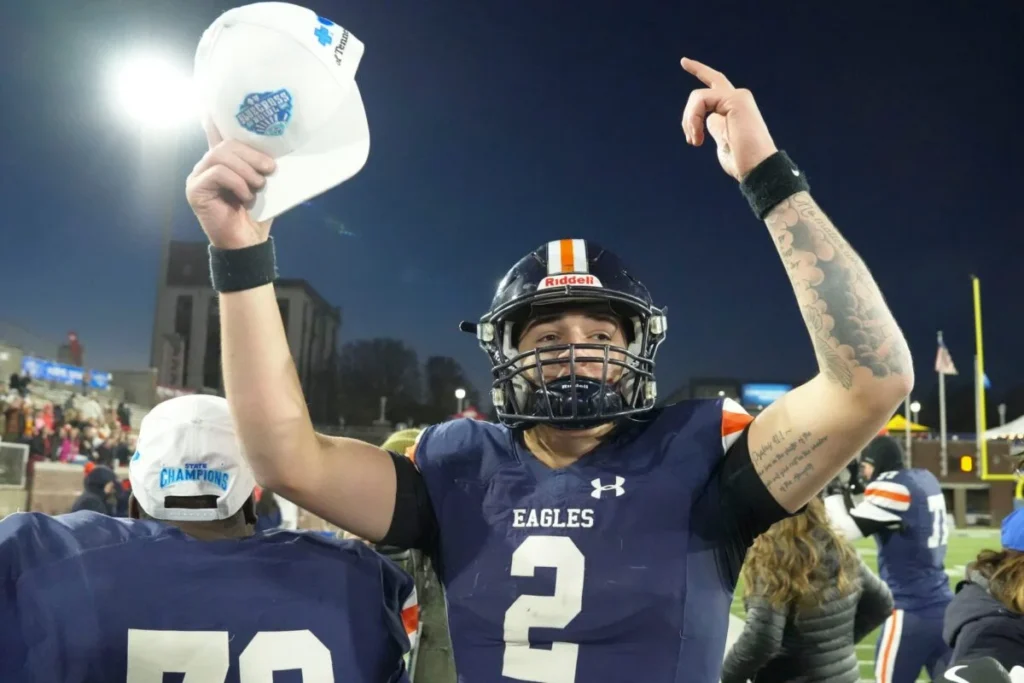
In this week’s episode of Always Be Scouting, @DffFrankPanthro and @John_mancuso5 break down their Top 12 incoming freshmen for 2026.
Always Be Scouting — Episode 6: “That’s Fresh, Man” Read More »

Modern tight ends have one job above everything else: catch the football. Blocking matters. Athleticism matters. But if you can’t be trusted in traffic, none of it plays. Eli Stowers gets that. And it’s why his transition from quarterback to tight end has turned into one of the most impressive developments in college football. Stowers didn’t just convert positions. He became the focal point of Vanderbilt’s offense. In 2025, he led all FBS tight ends in receiving yards, and he did it by winning the same way every NFL tight end has to win: hands, feel, toughness, and consistency. At 6’4” and around 235-239 pounds, Stowers isn’t built like an old-school in-line blocker. He’s built like a modern weapon. And he plays like one. Production That Matters The breakout didn’t come out of nowhere. It was built year by year. In 2025, Stowers caught 62 passes for 769 yards, the most receiving yards by any tight end in the country. He averaged 12.4 yards per catch and played all 12 games as a centerpiece of the offense. The year before, he put up 49 catches for 638 yards and 5 touchdowns, earning First Team All-SEC honors and Mackey Award semifinalist recognition. Across three seasons at Vanderbilt and New Mexico State, he finished with 146 catches, 1,773 yards, and 11 touchdowns. That’s not gadget production. That’s real usage. How Stowers Wins Stowers catches the football first. That’s the foundation. He has strong, reliable hands and shows comfort working through traffic. He doesn’t panic when bodies are around him. He secures the
Eli Stowers: The Tight End Built for the Modern Game Read More »
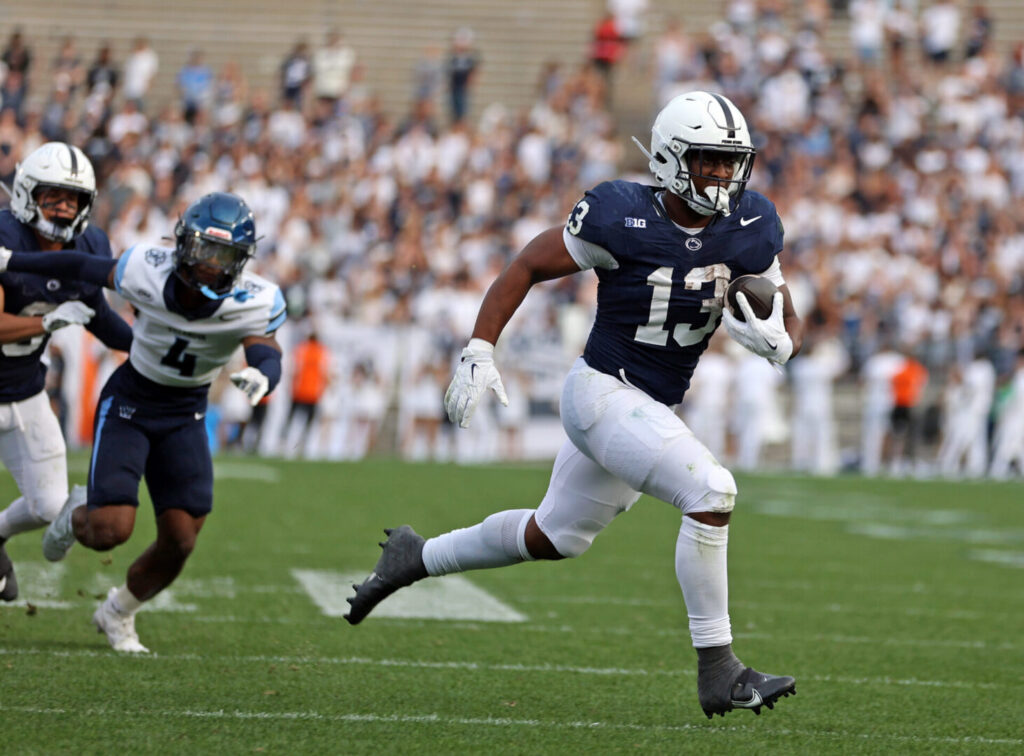
Kaytron Allen is the type of running back I fall in love with. Not because he’s going to run away from everyone. Not because he’s going to give you 60-yard highlights every week. But because he’s the kind of back that keeps drives alive. He finds the hole, stays square, and gets you what’s there. Over and over. At ~5’11” and 220-225 pounds, Allen is built like a real NFL runner. Compact. Strong. Low center of gravity. He’s hard to stop once he gets moving, and when contact shows up, he’s still finishing forward. Production That Actually Means Something Allen’s 2025 season was the best version of himself. He ran for 1,303 yards and 15 total touchdowns while averaging 6.2 yards per carry. He had five 100-yard games, and his biggest outings were loud: 226 yards at Rutgers, 160 yards and two scores against Nebraska, and 181 yards with two touchdowns at Michigan State. But the real headline is simple. He became Penn State’s all-time leading rusher with 4,180 career rushing yards, passing Evan Royster’s record. He also finished with 769 career carries, and that kind of workload tells you what Penn State thought of him. Trust. Durability. Give him the ball again. How Allen Wins Allen’s game starts with vision and patience. He’s not dancing behind the line, trying to bounce every run outside. He presses the line, lets defenders show their hand, and then makes one clean decision and goes. That one cut style is what makes him steady. It keeps him on schedule and keeps the offense
Kaytron Allen: The Rookie Running Back Who Wins the Boring Way Read More »
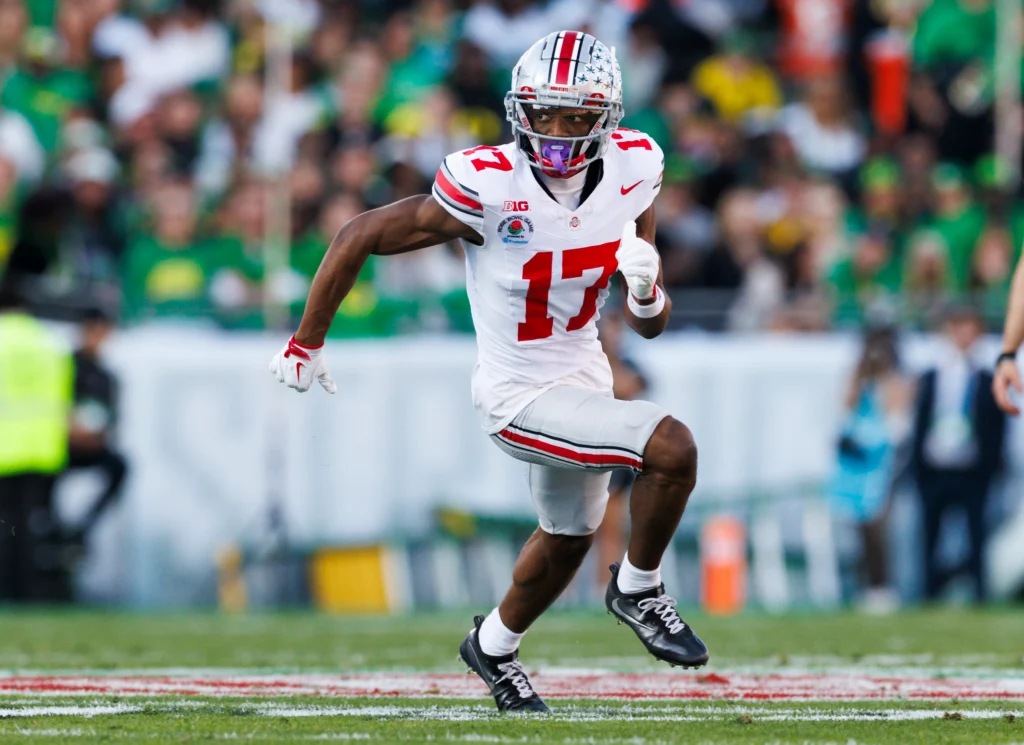
In 2026 rookie drafts, Jeremiyah Love is the clear 1.01, and Fernando Mendoza sits right behind him at 1.02 in Superflex, PPR, and Tight End Premium formats. After those two, my next pick starts with Carnell Tate, then Makai Lemon, then Kenyon Sadiq, and then Jordyn Tyson. That order comes down to a mix of safety, upside, positional value, and how clean the path feels to early fantasy relevance. Tate is the safest wide receiver in the group. Lemon brings the most explosive upside. Sadiq gets a real bump in tight end premium because the athletic ceiling is different at that position. Tyson has the talent, but the risk profile is heavier than the other three.
What to Do After 1.01 and 1.02 in 2026 Superflex Rookie Drafts Read More »
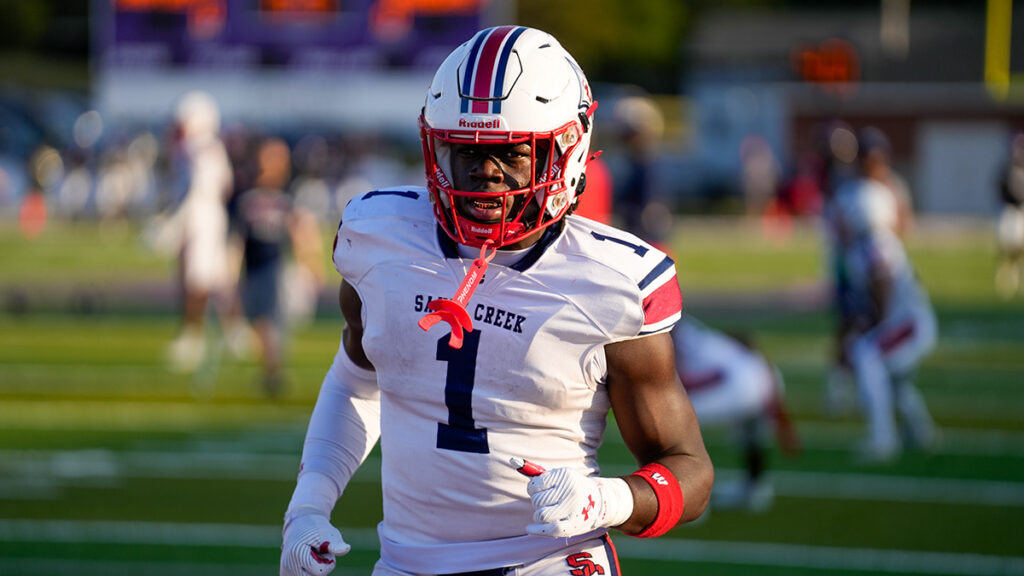
Introducing Amari Latimer, 2026 freshman RB for West Virginia. View his official scouting card for HS production, strengths, and weaknesses.
2026 Freshman Player Card: Amari Latimer (RB – West Virginia) Read More »

Introducing Vance Spafford, 2026 freshman WR for Miami. View his official scouting card for HS production, strengths, and weaknesses.
2026 Freshman Player Card: Vance Spafford (WR – Miami) Read More »
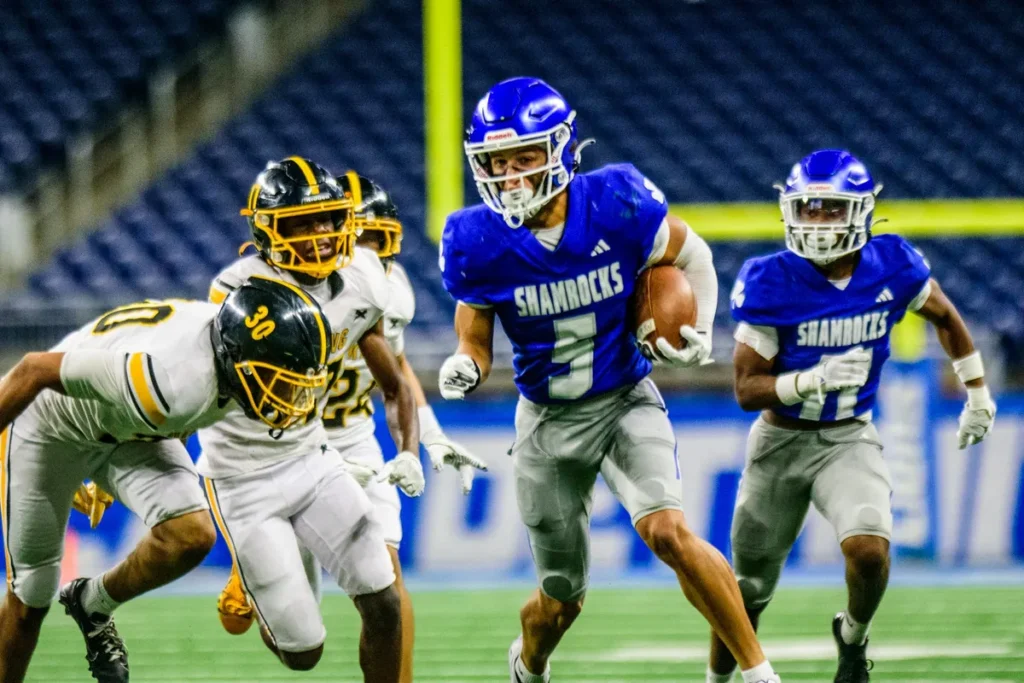
Introducing Samson Gash, 2026 freshman WR for Michigan State. View his official scouting card for HS production, strengths, and weaknesses.
2026 Freshman Player Card: Samson Gash (WR – Michigan State) Read More »
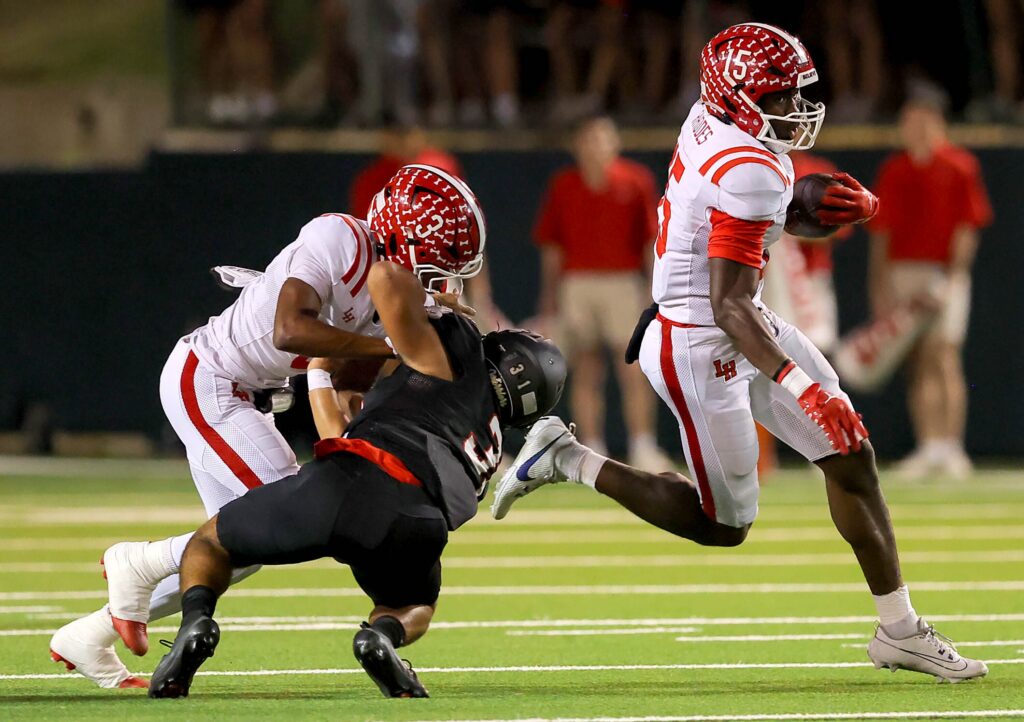
Introducing Christian Rhodes, 2026 freshman RB for SMU. View his official scouting card for HS production, strengths, and weaknesses.
2026 Freshman Player Card: Christian Rhodes (RB – SMU) Read More »

@DffFrankPanthro covers his picks from Rounds 8-15 in our recent dynasty startup mock draft, talking draft strategy from 12 slot.
DFF Dynasty Mock Draft: Dominating the Turn at 1.12 (Part 2) Read More »
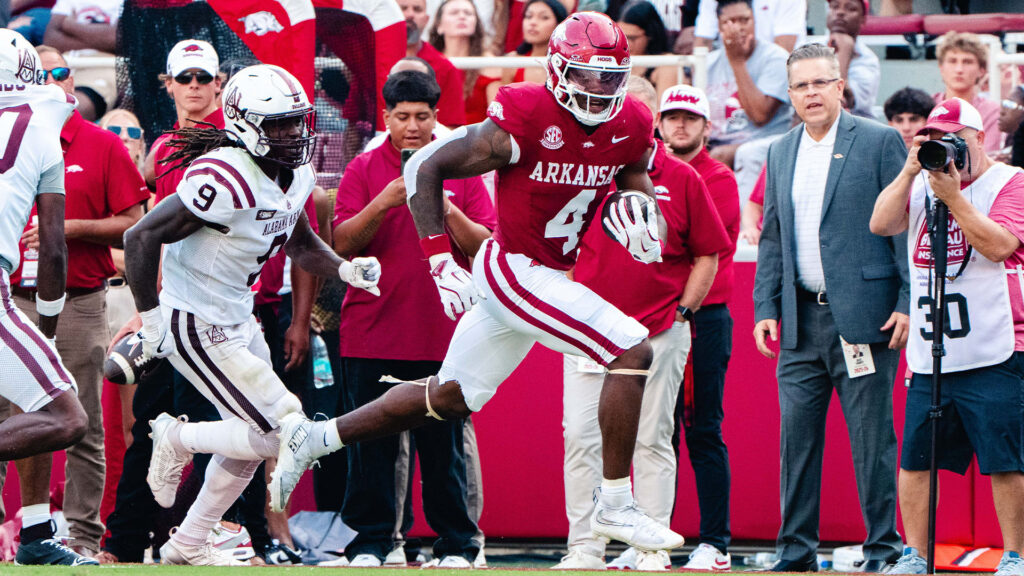
Running backs come in a lot of shapes, but the ones who last in the NFL usually bring a mix of size, speed, and toughness. Mike Washington Jr. checks those boxes. At 6’1” and around 223 pounds, he looks like the kind of back built to handle a heavy workload. What separates him from most runners his size is the speed. When he hits open space, he can erase angles in a hurry. Washington spent his college career climbing the ladder. He started in the MAC before finishing at Arkansas in the SEC, proving along the way that his game translated against better competition. By the time the 2025 season ended, he had established himself as one of the most productive backs in the conference.
Mike Washington Jr.: The “Power-Speed” Workhorse Read More »
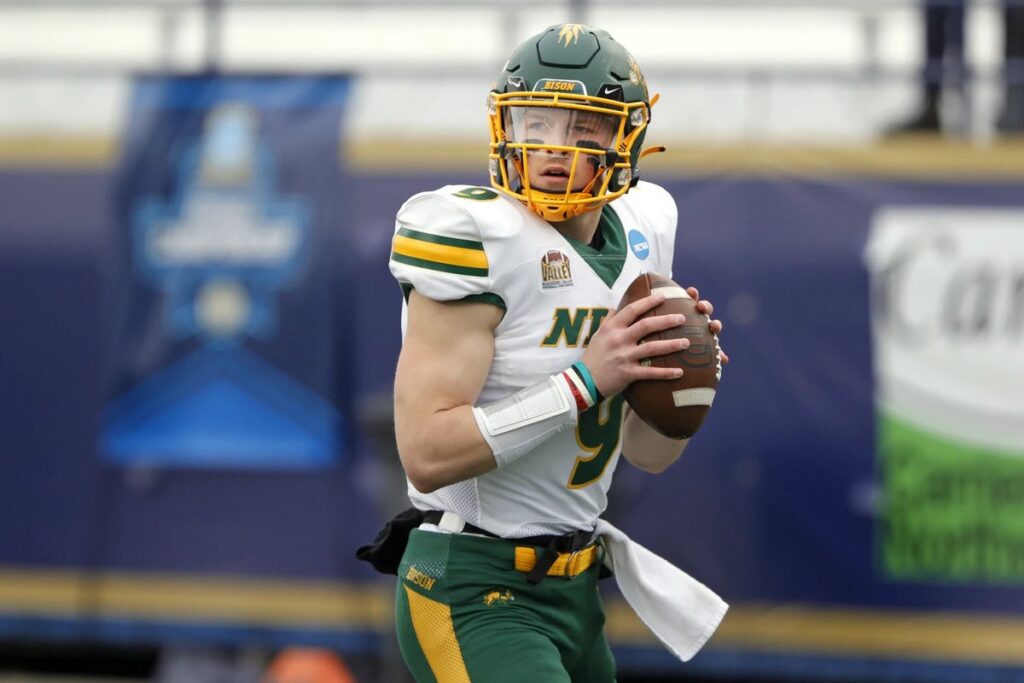
Cole Payton is one of those names that sneaks up on you if you’re not paying attention. Small school. Limited starts. Left-handed quarterback. Easy to overlook if you’re skimming box scores. But once you actually watch him and dig into the season he just put together, it’s hard not to come away impressed. Payton just finished a record-setting year at North Dakota State and put himself firmly on the NFL radar for the 2026 Draft. He’s not a finished product, but the upside is very real, especially in a quarterback class that doesn’t have many players separating themselves. A Late Bloomer Who Made It Count This past season was Payton’s first full year as the starter, and he made the most of it. He led North Dakota State to a 12–1 record and played with a level of efficiency you don’t usually see, regardless of level. He completed nearly 72% of his passes, threw for 2,719 yards with 16 touchdowns and only 4 interceptions, and consistently took care of the football. What really jumps out is how clean the overall production looks when you factor in what he did with his legs. Payton rushed for 777 yards and 13 touchdowns, averaging 5.7 yards per carry. He wasn’t scrambling just to survive. Designed runs, short-yardage toughness, red-zone scores. He became a legitimate problem for defenses once plays broke down. By the end of the year, he finished as the highest-graded quarterback in the FCS and set school records for efficiency and total offense per play. That doesn’t happen by accident. How
Cole Payton: The Small-School Quarterback You Need to Know Read More »