
This past year in fantasy showed us an ever-changing landscape at each position, and it will consistently change going forward. I have been trying to look back at the running back, which is becoming more apparent that teams not only need two backs but both can be utilized for fantasy success going forward. We have to adapt with the NFL to win FF Championships, and to build great Dynasty teams, changing viewpoints is a great start.
For the most part, fantasy managers look for a “bell cow” RB that can carry and catch the ball as often as possible to maximize production from one slot on their fantasy roster. However players have adapted, and teams have changed making efficiency a just as useful asset as an opportunity in fantasy terms. When a player can score from anywhere on the field it matters less how many times the team utilizes said player. It really becomes about how well the player schemes into the offense and if he can turn limited opportunities into fantasy production. Over the years the outliers are apparent in players like DeSean Jackson and Percy Harvin, and now running backs are becoming just as explosive as the WRs are in this department; it’s time to view as such.

Take the top backs from this last year and you’ll realize that injury or scheme made room for other backs to take on a larger role. Christian McCaffrey, Derrick Henry, Ezekiel Elliott, Alvin Kamara, and Dalvin Cook all finished below expected ADP and left room for plenty of others to shine in 2021. Granted, none of their backups performed well enough to be consistent starters, but spot starts play a role in winning games for fantasy teams. Taking a look at more than just those two specific examples, certain squads gave us a multi-back approach that allowed for starters all year at a position that usually is scarce. Teams like the Broncos, Patriots, Packers, 49ers, and Rams all had multiple useful backs throughout the year. Handcuffs were more important than ever in a season where Covid and injuries plagued each team. Coaches included different backs with various approaches that made for a change of utilization, and headaches this past season.
Looking forward, the youth and talent incoming will lead to more multi-back systems and explosive players thriving despite getting limited opportunities. Jonathan Taylor looked to be in a timeshare when the season started, but even with Nyheim Hines stealing passing work and third downs it turned out not to be the case. Meanwhile, Hines provided Flex-worthy appeal and upside while dealing with other injuries and bye weeks on specific rosters. Other teams didn’t have as quite of a nice result or split, and sometimes you scored less or started the wrong player. The times when you picked the right player it could’ve been the edge you needed that certain week. The goal is to eliminate the fear of playing the wrong back and increase the odds of selecting the asset with a blend of efficiency and opportunity. If you had Rashaad Penny, Devin Singletary, or Cordarrelle Patterson you know the type of player I’m talking about. The undervalued but overachieving lower-tier guys who can solve problems for fantasy managers.

A prime example is the fantasy finish by the Eagles’ RBs Miles Sanders (RB43), Kenneth Gainwell (RB45), and Boston Scott (RB47). If you drafted Sanders you’re disappointed; the other two however were somewhat appealing because they provided a role for their rookie head coach and were not drafted with as high of capital as Miles. Ascending in value is the real key and the new RB approach allows for more value at the position to be spread to other players much like wide receivers. Multiple receivers can be useful from each team, and the initial thought is that only one running back can provide value from each NFL roster. I would value each team by RB position as well as having individual rankings at the position. Teams that are consistently in positive game scripts, with good defenses and a run-heavy approach to games will provide more opportunities at the position allowing for multiple backs to thrive.
Prepare for the change to become more evident, and getting ahead of the curve will only help your fantasy teams for playoff pushes and runs in the future. Of course, every manager wants the big-name backs, but scoop up the rising guys that will have a role or can ascend to become an efficient player. Looking through the backfields, a few names stick out to me as guys who can shine despite splitting time or will potentially take over as the main back depending on contracts or teams’ viewpoints. Players that I would look to acquire before next year gets going to bolster your roster while everyone is distracted by the incoming class are:
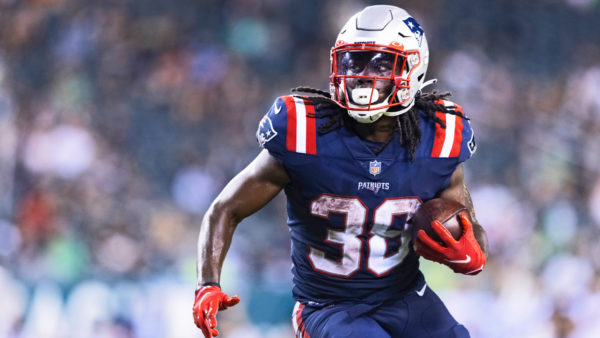
Rhamondre Stevenson – Splitting time with Damien Harris but has a clear nose for the end zone and could find a solidified role going forward due to Brandon Bolden’s age and this team’s history of using a goal-line back.
Kylin Hill – Is one injury away to either back ahead of him from being relied on, and with the potential of Rodgers leaving this team could be even more run-heavy than before.
Chuba Hubbard – Already provided value this past year due to an injury to McCaffrey, and CMC looks like this could be the new normal due to his workload when healthy. Either way, Hubbard cuts into the utilization or steps in for CMC when injured.
D’Ernest Johnson – Talent finds its way to the field and Johnson may be sitting behind Kareem Hunt and Nick Chubb but easily could find himself somewhere else in free agency this year.
Ke’Shawn Vaughn – Ronald Jones II took a back seat to Leonard Fournette this year, but the team utilized Vaughn when both were absent and could find a reason to do so more often with Jones and Lenny potentially departing in free agency this offseason.
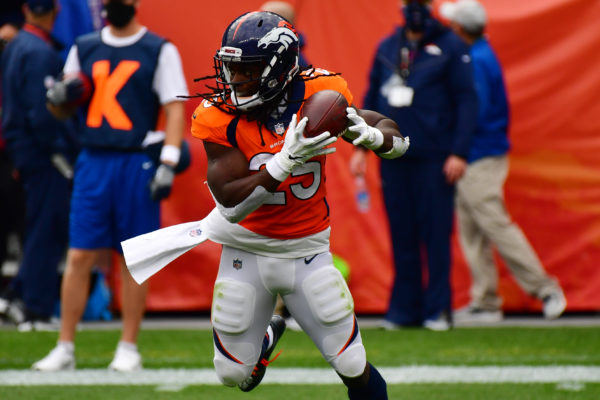
Another note on running backs moving forward is that the veteran RBs cannot be forgotten or pushed aside when joining a new team. Melvin Gordon proved he could still be an effective runner despite Javonte Williams joining the team. Things will tilt the other way since Gordon is a free agent this off-season, and is almost 29 years old, but this past season was yet another year of Gordon proving naysayers wrong with over 1,000 yards total and 10 touchdowns on the season. James Connor proved he also can still get it done on a veteran deal. Try to look for off-season contracts and teams investing money turning into production rather than getting too distracted by the new flashy rookie all the time.
My approach going forward due to injury and talent flooding the league is to draft or trade for premier WR to build my team around early and often. Piece together the running back position with people afraid to be caught holding the bag when an RB is at the end of his career. More of the secondary backs will get opportunities in new running schemes, and efficiency will become a friendlier stat to rely on in spot starts, focusing on depth at this position while relying on top-tier players at the other parts of your roster. If you had Cooper Kupp, Ja’Marr Chase, Deebo Samuel, or Davante Adams on your roster I’m sure you’re much happier than having the top-tier backs. I think this trend will continue moving forward with the RB position.
Small moves can win your Dynasty team a title and cost less than the big flashy trade that every manager looks for. Take the off-season to make multiple small moves to improve and shape your team the way you like rather than wasting your efforts piecing together a mega trade that draws no interest from other owners. Take a look at your RB position and analyze what it needs to endure and last the long fantasy season. Acquiring certain players before their rise is the key. Find me @DFF_MattBull on Twitter and follow @DFF_Dynasty to become successful in your leagues and #AlwaysBeBuilding.


Pingback: The Future Landscape of the Fantasy Quarterback - Dynasty Football Factory